
 +61 414 638 895
 Why Conflict Resolution Is a Leadership Skill
Conflict at work is often treated like a smoke alarm everyone hopes will stop on its own. Yet unresolved tension rarely disappears quietly. It usually leaks into morale, productivity, customer service, absenteeism, and project delays.
Handled well, however, workplace conflict can become a turning point. It can expose unclear priorities, improve communication, strengthen trust, and lead to smarter decisions.
That is why conflict resolution at work is not just an HR issue. It is a leadership capability.
In this article, we explore practical ways leaders can reduce tension, respond constructively, and turn difficult moments into stronger team outcomes.

Why Conflict Happens at Work
Even healthy teams experience conflict. In fast-moving workplaces, pressure and change often create friction.
Common causes include:
When leaders recognise these causes early, they can address the issue before it becomes a larger disruption.
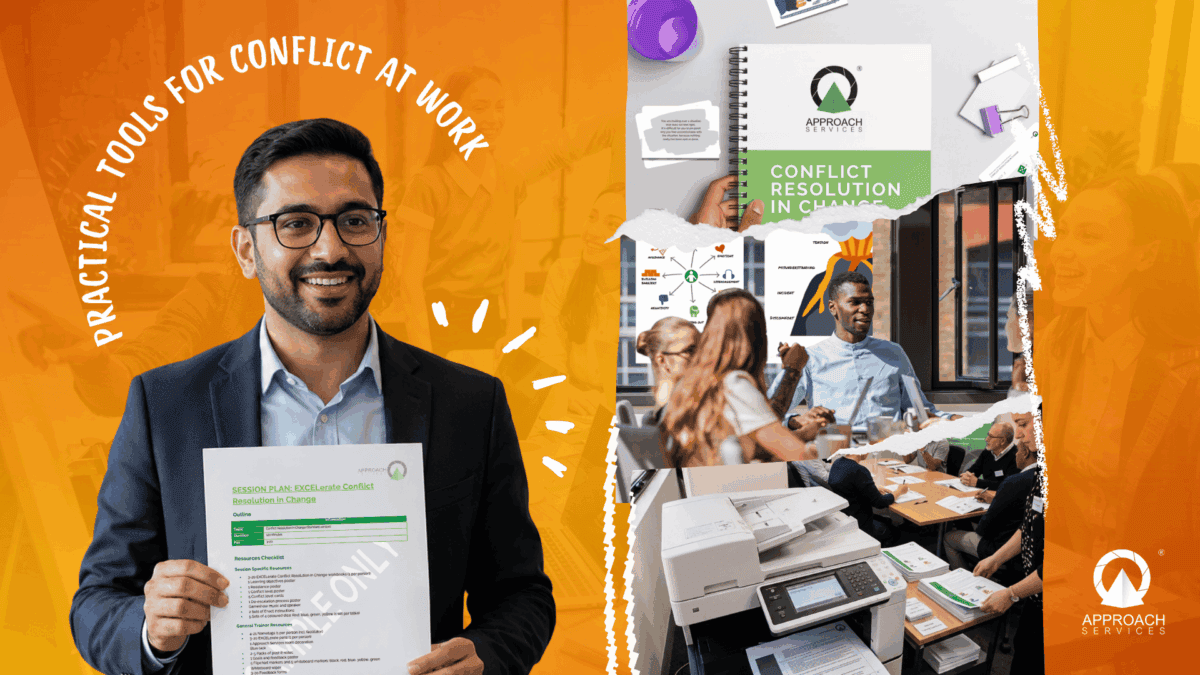
Need practical tools for difficult conversations?
Our Online Conflict Resolution Course helps leaders and employees build confidence in managing tension, giving feedback, and resolving issues professionally.
Only AUD 395
⭐⭐⭐⭐⭐ Reviews
The 4 Common Types of Workplace Conflict

Task Conflict
Disagreement about goals, priorities, or what should be done.

Process Conflict
Differences in how work should be completed, delegated, or tracked.

Relationship Conflict
Personal tension, miscommunication, or emotional friction.

Status Conflict
Disputes linked to authority, decision rights, or perceived respect.
7 Practical Strategies for Conflict Resolution at Work
Understanding the type of conflict helps you choose the right response.

Running Training Internally?
If you want to build these skills across your organisation, our Conflict Resolution Trainer Resource Package includes ready-to-use materials for face-to-face workshops.
Inside the package:

Conflict During Change Is Especially Common
Periods of change often increase workplace conflict because uncertainty increases.
Examples for disruptive workplace change include:
When people feel unclear, unheard, or overloaded, resistance to new ideas and tension between different parties are common.
This is why conflict resolution capability should be part of every change readiness plan. Teams that can communicate well under pressure adapt faster and perform better.
Effective leaders do not avoid conflict or dominate it, instead they stay calm under pressure, ask better questions and deal with issues early. This encourages respectful challenges, creates psychological safety and hold people accountable fairly.
One of the practical strategies to effective conflicts resolution is self-awareness. By understanding our conflict solver style, we can choose the most appropriate approach for each situation. Some people may be more comfortable with confrontation, while others may prefer a more collaborative problem-solving approach.

Being self-aware and adaptable to others in our conflict resolution strategies, helps us find mutually beneficial solutions and improve relationships within the workplace.
In my opinion, conflict at work is not always a sign that something is broken. Sometimes it is a sign that something important needs attention.
As leaders, it is essential to recognise our core belief cycle and the emotions that arise during conflicts and manage them appropriately. It is natural for people to feel angry, defensive or frustrated when facing a conflict. However, reacting impulsively based on these emotions may escalate the situation and prolong the conflict.
My favourite 3 strategies to manage myself during a conflict situation are:

Whether you want to improve your own skills or equip your team with practical tools, we can help.
And in time you’ll find you have better conversations and create a better workplace.
For individuals and leaders:
Explore the Online Conflict Resolution Course
For organisations and trainers:
Access the Conflict Resolution Trainer Resource Package

Eva is one of the masterminds behind Approach Services' blog and The 6 Cents of Change. She is an innovator, trainer and change manager. Her work has been published in the Schmalenbach Journal of Business Research. In her spare time, she enjoys camping with her two little boys and permaculture gardening.
Subscribe to our monthly newsletter The 6 Cents of Change and follow us on LinkedIn to learn more!