 +61 414 638 895
It's November, and I'm halfway caught between revelling in my incredible African travel experiences and planning the sprint towards New Year's Eve. It's funny how our family just went to explore the African continent during Australia's winter (in August), and we're now already experiencing summer's hot days.
The three weeks we spent travelling through South Africa, Botswana, Zambia and Zimbabwe left a huge impression on me, one that I really wanted to put on paper. Yet I've struggled to do so, as I've become more and more used to involving AI in my copywriting. So, whilst my half-finished draft sat on my desktop, with the intention of relating our travel experiences back to Matt and my podcast about Authenticity, I realised that maybe it was better to write this piece the old-school way. Without AI in the creative process, but with a fat dose of Eva authenticity.
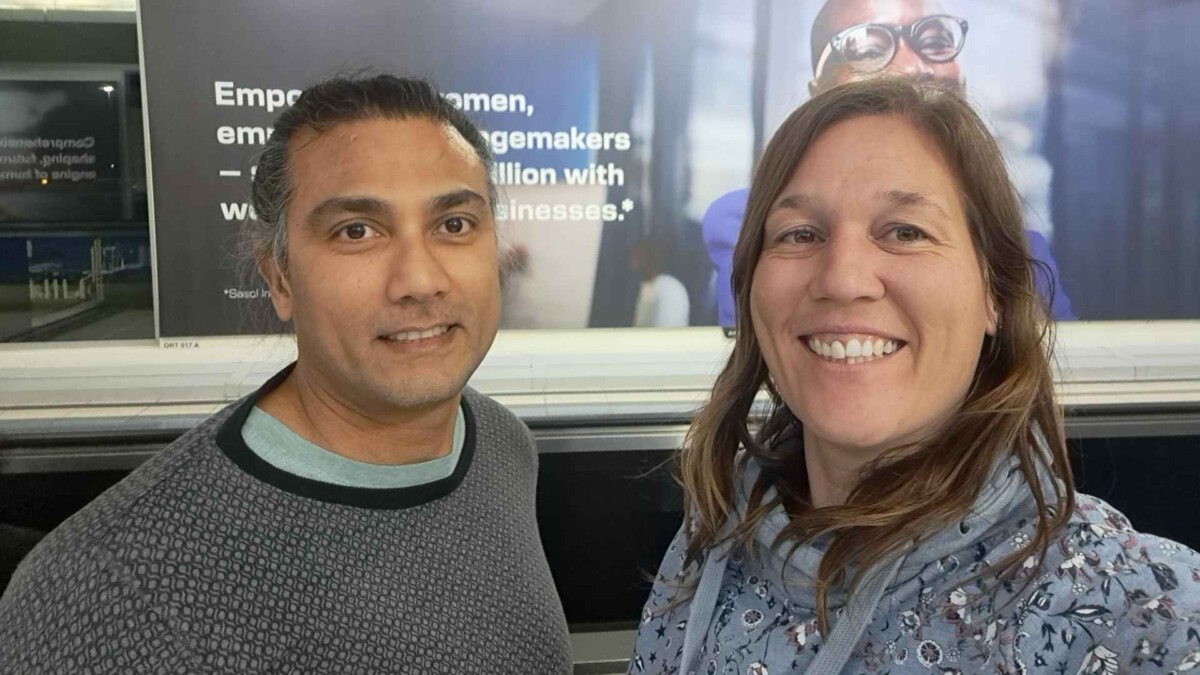
This realisation is partly a product of the trip. Visiting countries that are home to lions, elephants, hippos and zebras has been a dream of mine since I was little. Being able to take my two boys, my husband and my stepdad on this trip meant I wanted to make it count. I didn't want to tick a box next to each animal. I wanted to connect with the local culture, eat the food and dance to the favourite songs of the people we met along the way. I wanted to understand what it means to be from Zambia or Zimbabwe, how deep the colonial scars run and how much the countries have changed since.
In other words, I wanted an authentic experience. And authenticity, in my eyes, is becoming a rare good. Something I value highly in times when AI alters what we see, hear and read.
The fences we build to feel safe
Matt's analogy that values are the lenses we use to see the world makes a lot of sense. As I landed in Johannesburg, I found myself staring at all the walls topped with barbed wire. Freedom and independence are values I care deeply about, so seeing people effectively cage themselves in for protection made me very uncomfortable. I asked our driver about the three-metre-high security fences and whether it really was that dangerous here.
I was told Johannesburg had a violent past, but that things had improved considerably. The fences, however, remained, as they were still required by insurance companies.
I couldn't stop thinking about how often organisations do exactly the same. Something goes wrong, and we introduce a stricter process, an additional approval or a new rule to mitigate the risk. Years later, the risks have changed, but the organisational fences remain.
I wonder what fences I've built to keep myself safe that might now be keeping me caged in?
Matt's story about being told by his boss to "be more authentic" made him realise he'd effectively created a "work Matt" and a "home Matt" to keep himself safe. It took him time to bring more of the person he was outside work into the workplace.
Authenticity is not about dropping the work mask overnight, but about progressively making the fences smaller and allowing vulnerability.
In a way, this describes the journey we're on with our team as we diversify our business to make a bigger impact on climate and sustainability through Baandee Salt & Seed. I find this path both scary and rewarding.
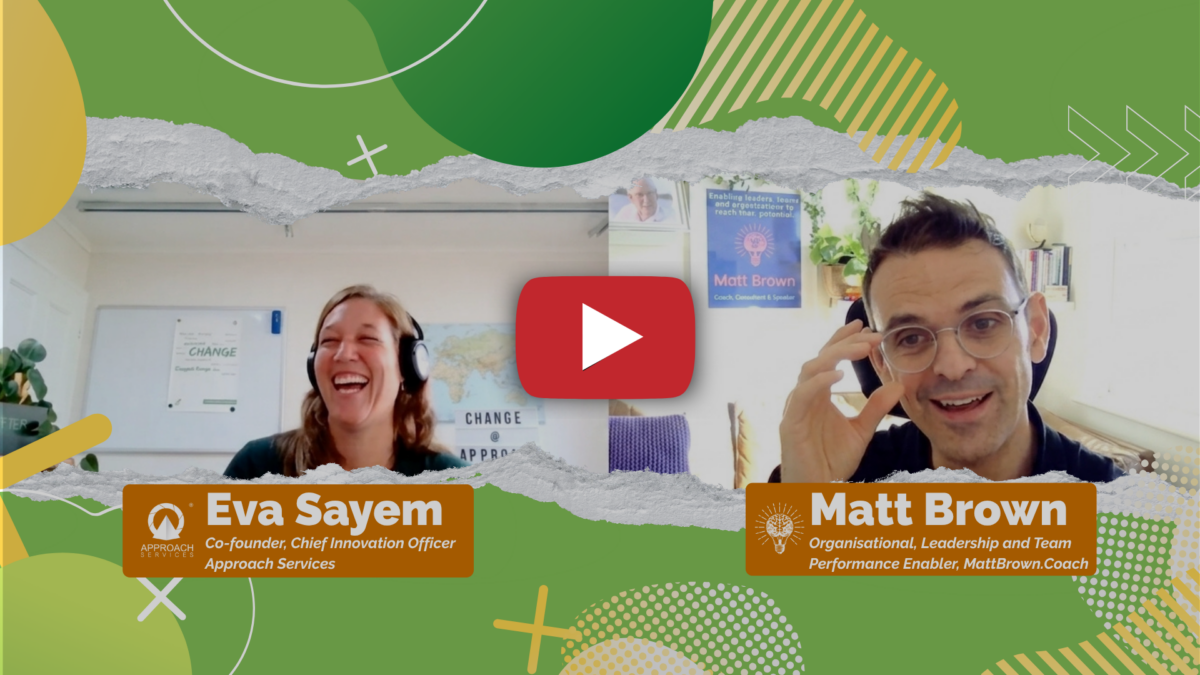
Want to go deeper?
I had a great conversation with Matt Brown exploring authenticity, values & trust and what it really means to bring values into everyday leadership.
When the elephant in the room is an actual elephant
From Joburg, we flew to Maun. Getting to Botswana was a complete change of scenery. We had arrived in our own version of a David Attenborough documentary.
For a week, we camped on the border of the Makgadikgadi National Park. We were the only guests in our camp, and on safari, we mostly encountered research vehicles and South African tourists driving themselves. Whilst we trembled whenever an elephant came close to a car, these seasoned safari-goers just laughed at us.
We watched the sunrise as if it were the opening scene of the Lion King musical, enjoyed boerewors with pap and vegetables from the camp's own gardens, and watched elephants, zebras and hippos on the other side of the Boteti River.
Since then, it's become impossible for me to take corporate jargon seriously.
We constantly use animals in business language. Just think of the lion's share, monkey business or the elephant in the room. I still wonder who came up with the saying that you should eat an elephant one bite at a time. Watching Africa's magnificent, slightly terrifying creatures in their actual habitat made these sayings particularly funny.
Matt said that values help us decide how we want to show up, particularly when things become uncomfortable. His own values of integrity and accountability have given him the courage to challenge HIPPO decisions. HIPPO stands for Highest Paid Person's Opinion, when one person's opinion effectively dictates what everyone else should do.
Matt's story gave me a good chuckle. I remember all too well the many occasions when I went head-to-head with HIPPOs. In my defence, I was new to the Australian workforce and was still operating on German-work-culture autopilot.
My organisational pet peeve is integrity, which I believe is the go-to value when someone creates a corporate values poster.
Coming from Germany, integrity was less of a conscious choice for me and more of a cultural pedigree. A baseline rather than an aspiration I needed to be reminded of.
Matt agreed that some core values emerge from our environment and lived experiences. Sometimes, something is so deeply embedded in our value-belief system that we don't even recognise it as a core value.
What becomes most interesting, then, is looking at the values we practise inherently versus the ones we aspire to.
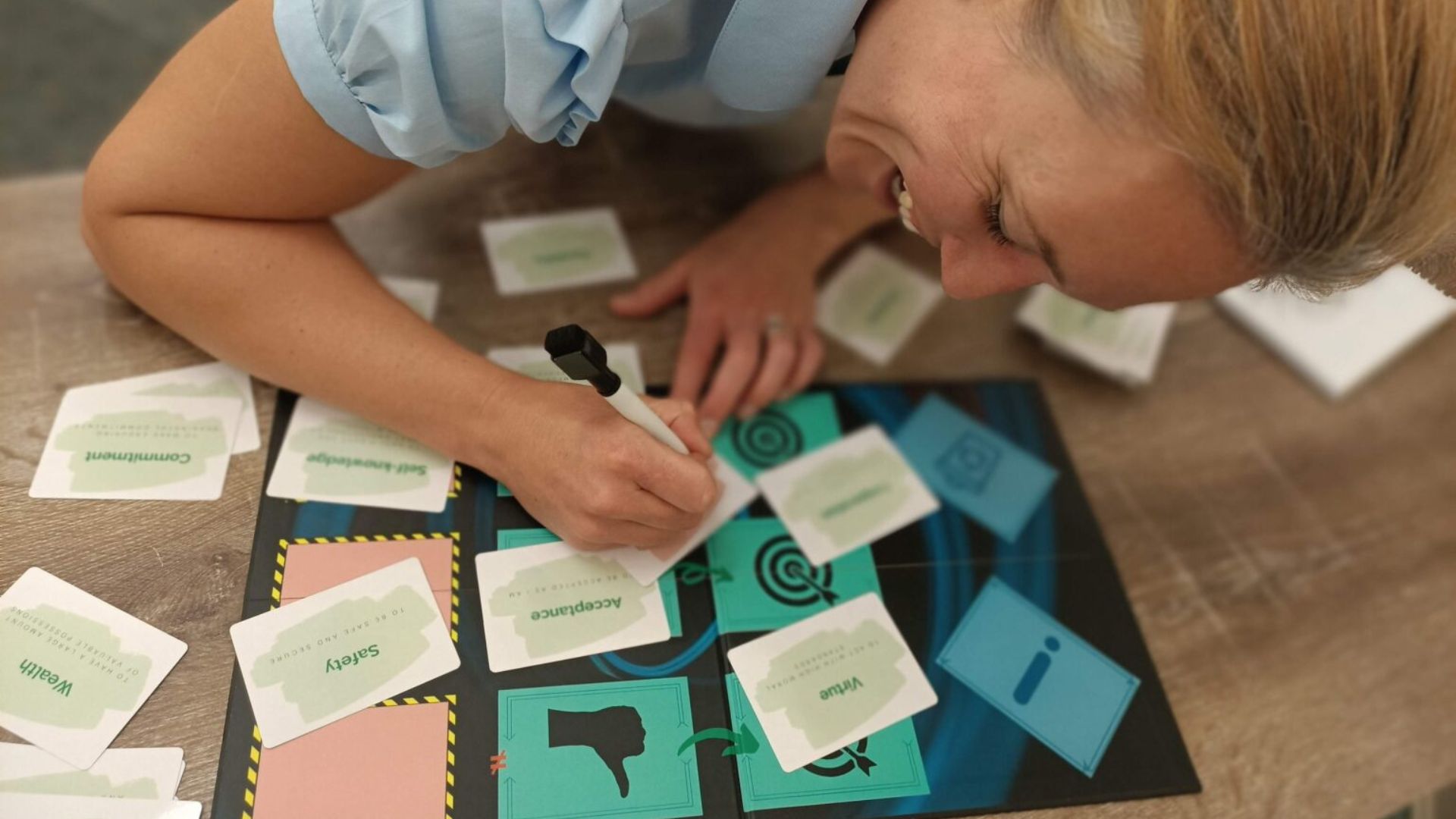
Want to explore your own values?
The Valēre™ Printable Leadership & Team Values Activity is designed to help leaders and teams move beyond go-to values and explore true shared values and their meaning.
Seeing things differently is a good thing
Back in Botswana, our safari guide taught us that zebras and wildebeest often graze together because one has better hearing and the other better vision. Together, this gives the herds a better chance of survival.
I found myself thinking about Matt's story of coaching a first-time leader who wanted to recruit people with backgrounds and experiences similar to his own. A team of like-for-like people will easily get along and understand each other. But if everyone sees or hears the world through roughly the same lenses and ears, who's going to notice what the rest of the group is missing?
We often talk about diversity as something organisations should have because it's fair or inclusive. But, more importantly, different perspectives can make the whole group more capable.
A better approach was shared with me a couple of years ago by a client who had been hired for the Australian Antarctic Program. They were looking for a team that shared the same core values, because shared values don't require shared perspectives. A team can agree on what matters whilst disagreeing, constructively, about what needs to happen. In fact, good leadership sometimes means creating enough shared values to work together whilst preserving enough difference to challenge each other.
Matt links values, vulnerability and psychological safety (trust) quite tightly. He argues that being willing to reveal something real about yourself can help people trust you, which in turn creates the conditions for psychological safety and stronger teams.
Coming home with a different lens
The longer we spent in Africa, the harder it became for me to see things in isolation. The people we met understood people, animals and plants as part of a deeply interconnected web of life.
I believe this way of thinking translates to leadership and business. I aspire to treat our team, customers, processes, technology and the planet as one interconnected system that requires my attention and care.
And sometimes, that care might mean refusing to use the latest technology so I can truly connect with the authentic message I'd like to share.

Eva is one of the masterminds behind Approach Services' blog and The 6 Cents of Change. She is an innovator, trainer and change manager. Her work has been published in the Schmalenbach Journal of Business Research. In her spare time, she enjoys camping with her two little boys and permaculture gardening.
Subscribe to our monthly newsletter The 6 Cents of Change and follow us on LinkedIn to learn more!